
When an At-Fault Accident Does Not Trigger SR-22
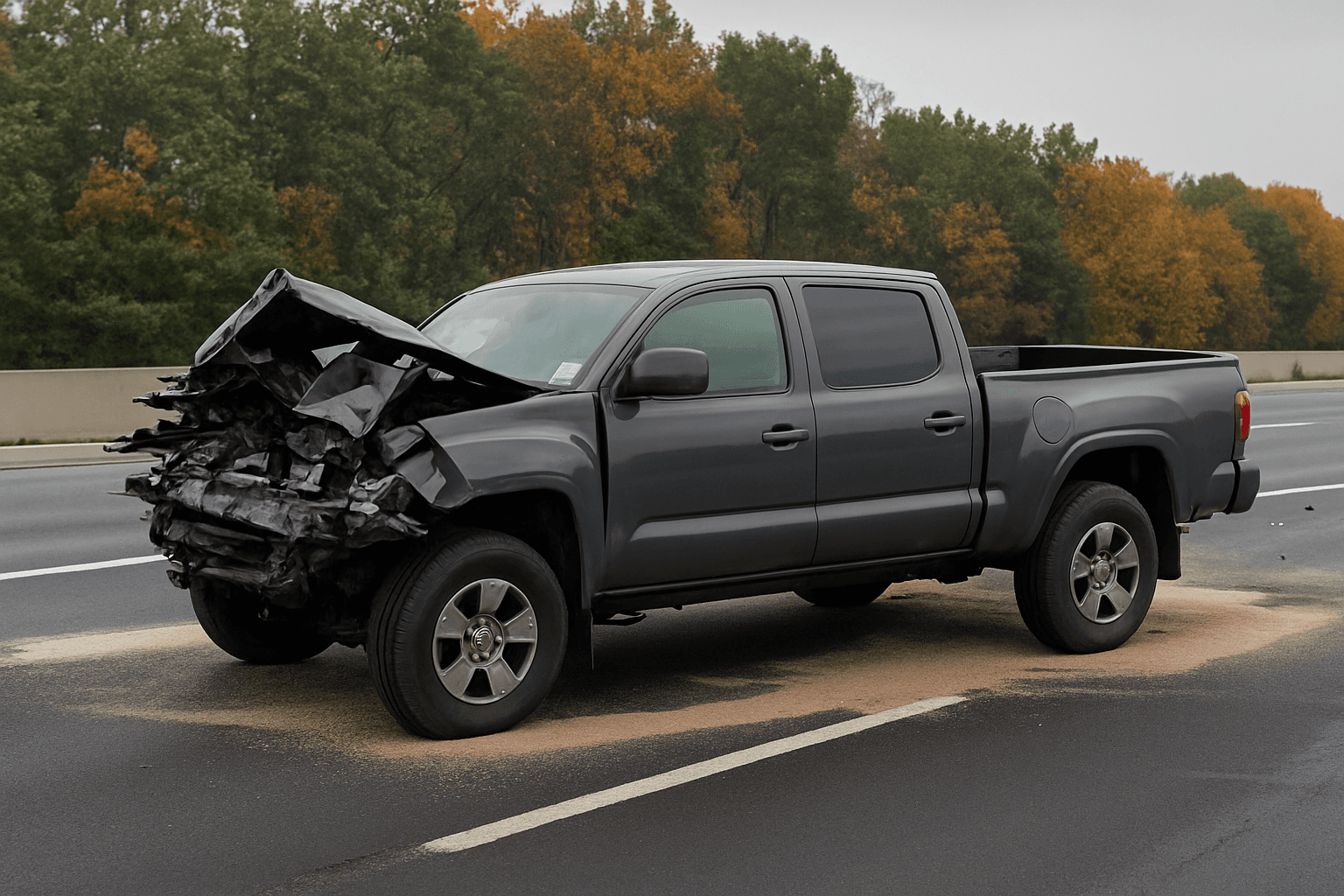
You caused an accident in Idaho. The other driver's vehicle is damaged, maybe yours is too, and now you're trying to figure out whether the state will mandate SR-22 filing as part of the aftermath. If you had valid liability insurance at the time of the collision and your license remains in good standing, Idaho does not require SR-22 filing based solely on the at-fault determination.
The SR-22 certificate exists to prove ongoing insurance coverage after specific violations — license suspension or revocation, serious driving violations including DUI, and driving without required motor vehicle insurance under Idaho Code 49-1229. An at-fault accident by itself does not appear on that list. The filing requirement activates only when the accident exposes or triggers one of those underlying violations.
Compare car insurance rates in your state
Get quotes from licensed carriers — no obligation, no spam, results in minutes.
Get Your Free QuoteIdaho SR-22 Filing Period
3 years
When SR-22 is required in Idaho, the state mandates continuous filing for three years from the date the requirement begins. The clock starts when you file, not when the violation occurred.
Idaho Code Title 49 ch. 12
The Structural Reality Behind SR-22 Triggers
Idaho's SR-22 requirement is not punitive — it is procedural. The state uses the certificate to monitor insurance compliance for drivers who have already demonstrated a pattern the law considers high-risk. That pattern must exist before the filing obligation attaches.
An at-fault accident becomes an SR-22 trigger only when it reveals you were driving uninsured at the time of the collision. Idaho Code 49-1229 requires proof of insurance after uninsured driving, and SR-22 is the mechanism the state uses to enforce that proof. If you had coverage when the accident happened, the at-fault determination alone does not create the filing requirement.
The second pathway to SR-22 after an at-fault accident is indirect: the collision leads to a separate violation that carries its own suspension or serious-violation designation. A DUI arrest following the accident, a reckless driving charge, or accumulation of points that pushes you over Idaho's suspension threshold would each independently trigger SR-22, but the filing requirement traces back to the new violation, not the at-fault status itself.
If you were insured at the time of the accident and no separate violation occurred, Idaho does not require SR-22 filing.
What Happens When the Accident Exposes Uninsured Driving

Idaho requires all drivers to carry minimum liability limits of $25,000 per person for bodily injury, $50,000 per accident for bodily injury, and $15,000 for property damage. When an at-fault accident occurs and the investigating officer or the Idaho Transportation Department discovers you lacked this coverage, the state initiates a suspension under Idaho Code 49-1229. Reinstatement after that suspension requires SR-22 filing for three years.
If you allow the SR-22 to lapse at any point during the three-year period — your carrier cancels the policy, you switch carriers without ensuring continuous filing, or you stop paying premiums — the Idaho Transportation Department receives electronic notice of the lapse and your license suspends again. The three-year clock does not pause; you must maintain uninterrupted coverage and filing for the full term.
Related Articles





Separate Violations That Independently Require SR-22
An at-fault accident can coincide with other violations that carry their own SR-22 requirements. DUI arrests, reckless driving charges, and excessive points suspensions each trigger the filing obligation independently. The at-fault determination does not cause the SR-22 requirement in these cases — the separate violation does.
Idaho suspends licenses for DUI convictions, and reinstatement requires SR-22 filing for three years. If the DUI arrest occurred at the scene of an at-fault accident, the SR-22 requirement traces to the DUI, not the collision itself. The same logic applies to reckless driving charges and point-based suspensions. The accident may have been the event that brought the violation to the state's attention, but the filing requirement attaches to the violation, not the at-fault status.
Drivers sometimes assume the at-fault accident is the cause of the SR-22 requirement when the actual cause is a violation that happened to occur during the same incident. Understanding this distinction matters because it clarifies what you are reinstating from and what the state is monitoring going forward.
Idaho Base Reinstatement Fee
Additional fees may apply depending on the violation that caused the suspension. The fee is paid to the Idaho Transportation Department before your license is reinstated.
Idaho Code 49-326
How Carriers Respond to At-Fault Accidents
Even when Idaho does not require SR-22 filing after an at-fault accident, your insurance carrier will respond to the claim. Liability coverage pays for the other driver's property damage and bodily injury up to your policy limits. Your carrier may also raise your premium at renewal or non-renew your policy depending on the severity of the accident and your prior claims history.
Premium increases after at-fault accidents vary by carrier and by the specifics of the collision. average auto insurance costs vary by coverage level and driving record, well below the national average, but individual rates after an at-fault accident depend on your carrier's underwriting tier, your driving history, and whether the accident involved injuries or significant property damage. Comparing carriers after an at-fault accident — especially if your current carrier non-renews — helps you find coverage that fits your post-accident risk profile without overpaying.
Compare Carriers That Write Your Situation
If the at-fault accident did expose uninsured driving or coincided with a violation that requires SR-22, you need a carrier that files electronically in Idaho and writes your specific suspension trigger. Carriers like GEICO, Progressive, State Farm, and Dairyland file SR-22 in Idaho and write suspended drivers, but underwriting tier and premium vary by the violation that caused the suspension. Comparing quotes from multiple carriers that write your trigger ensures you are not overpaying for the filing requirement on top of the violation surcharge your carrier applies.