
Why Your Idaho Accident Triggered an SR-22 Requirement
Not every accident in Idaho requires SR-22 filing. The Idaho Transportation Department (ITD) mandates SR-22 when the accident meets one of two conditions: you were driving uninsured at the time of the collision, or the accident caused a suspension due to failure to meet financial responsibility requirements after a claim or judgment. If you had valid liability coverage when the accident occurred and no suspension resulted, you won't face an SR-22 requirement regardless of fault or damage amount.
The confusion stems from Idaho's two-track enforcement system. The ITD Division of Motor Vehicles handles administrative actions when electronic insurance verification flags a lapse or when you fail to provide proof of coverage after an accident. District courts impose SR-22 requirements as part of criminal sentencing for DUI or reckless driving convictions that happened to involve an accident. These are separate pathways with different filing triggers, and most generic comparison tools don't distinguish between them.
Compare car insurance rates in your state
Get quotes from licensed carriers — no obligation, no spam, results in minutes.
Get Your Free QuoteIdaho SR-22 Filing Period
3 years
Idaho Code requires continuous SR-22 filing for 3 years following most suspension events tied to accidents or insurance violations. The clock starts from your reinstatement date, not the accident date. If your SR-22 lapses at any point during the 3-year window, the ITD automatically re-suspends your license and the 3-year period resets from your next reinstatement.
Idaho Code Title 49, Idaho Transportation Department
The Two Accident Paths That Trigger SR-22 in Idaho
The uninsured-at-time-of-accident path is the most common. Idaho's electronic insurance verification system flags your vehicle registration when your carrier reports a policy cancellation. If you're in an accident during that lapse period, the ITD receives notification from the investigating officer or from the other party's insurer when they file a claim. You'll receive a suspension notice and a requirement to file SR-22 proof of financial responsibility before reinstatement. The $25 base reinstatement fee applies, plus any accident-related judgments or settlements you're required to satisfy.
The post-accident suspension path applies when you had coverage but failed to meet subsequent financial responsibility requirements. This happens when the other party's damages exceed your liability limits and a court judgment is entered against you, or when you don't respond to an ITD financial responsibility inquiry after an at-fault accident. Idaho Code allows the ITD to suspend your license until you demonstrate ability to cover future liabilities, which means filing SR-22 and maintaining it for the full 3-year period.
Both paths end in the same place: 3 years of continuous SR-22 filing. The carrier you choose for that filing will determine what you pay monthly and whether you can actually afford to maintain coverage without another lapse.
Letting your SR-22 lapse even one day during the 3-year period triggers automatic re-suspension and resets the entire 3-year clock from your next reinstatement.
What Carriers Actually Price After an Idaho Accident
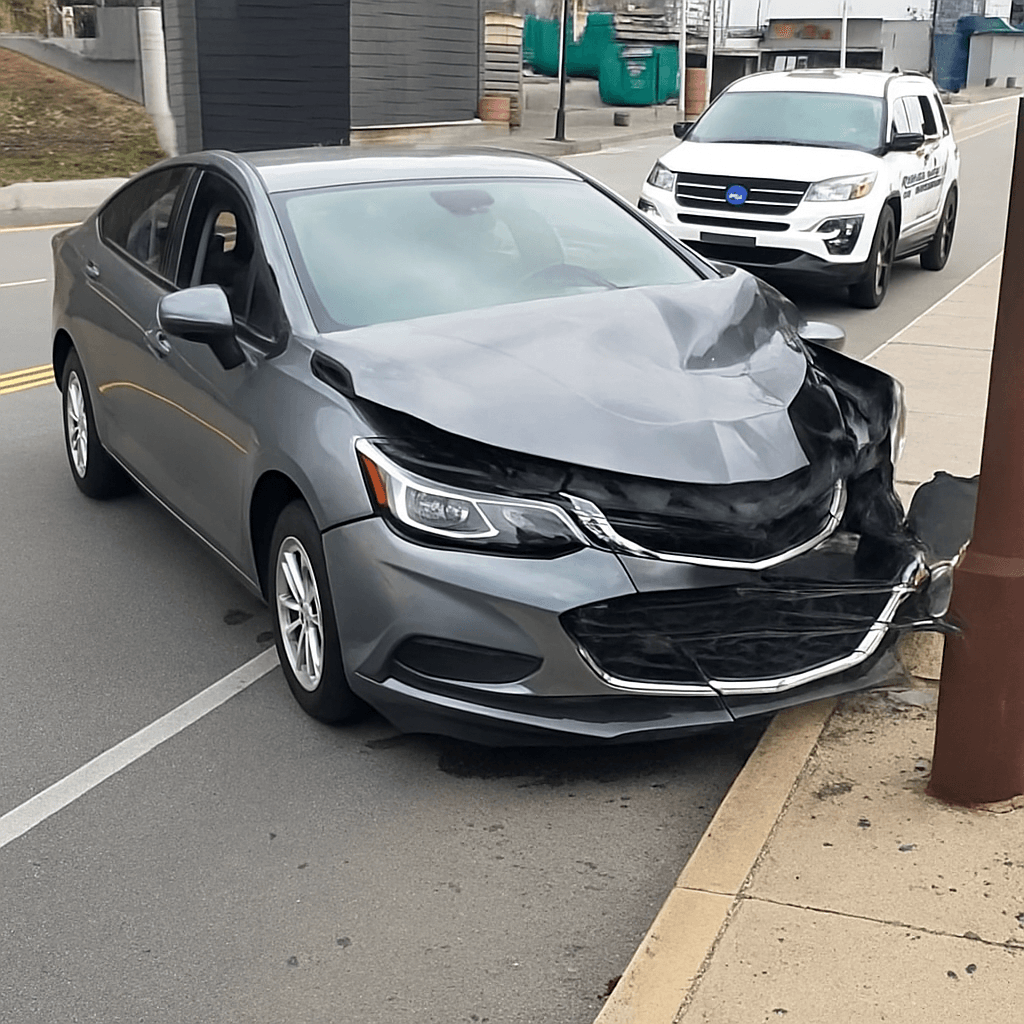
Standard-tier carriers like State Farm, Allstate, and American Family write SR-22 policies in Idaho, but they price accident-involved drivers in their high-risk tier or decline coverage entirely if the accident was uninsured. You'll see quotes in this tier when you had valid coverage at the time of the accident and no other violations on your record. These carriers price the accident surcharge (typically lasting 3–5 years) separately from the SR-22 requirement, and the filing doesn't necessarily push you into non-standard pricing if your driving record was otherwise clean.
Non-standard carriers like The General, GAINSCO, Dairyland, Bristol West, and National General write SR-22 policies specifically for drivers in your situation. These carriers price the entire risk profile as a package: the accident, the suspension, the SR-22 requirement, and the likelihood of future claims. You'll typically pay more per month than standard-tier pricing, but these carriers are often the only option when standard carriers decline or quote premiums above $300/month. The key difference isn't the SR-22 filing fee but the underwriting model each carrier uses to price accident risk.
Related Articles





How Idaho Accident Severity Changes Carrier Availability
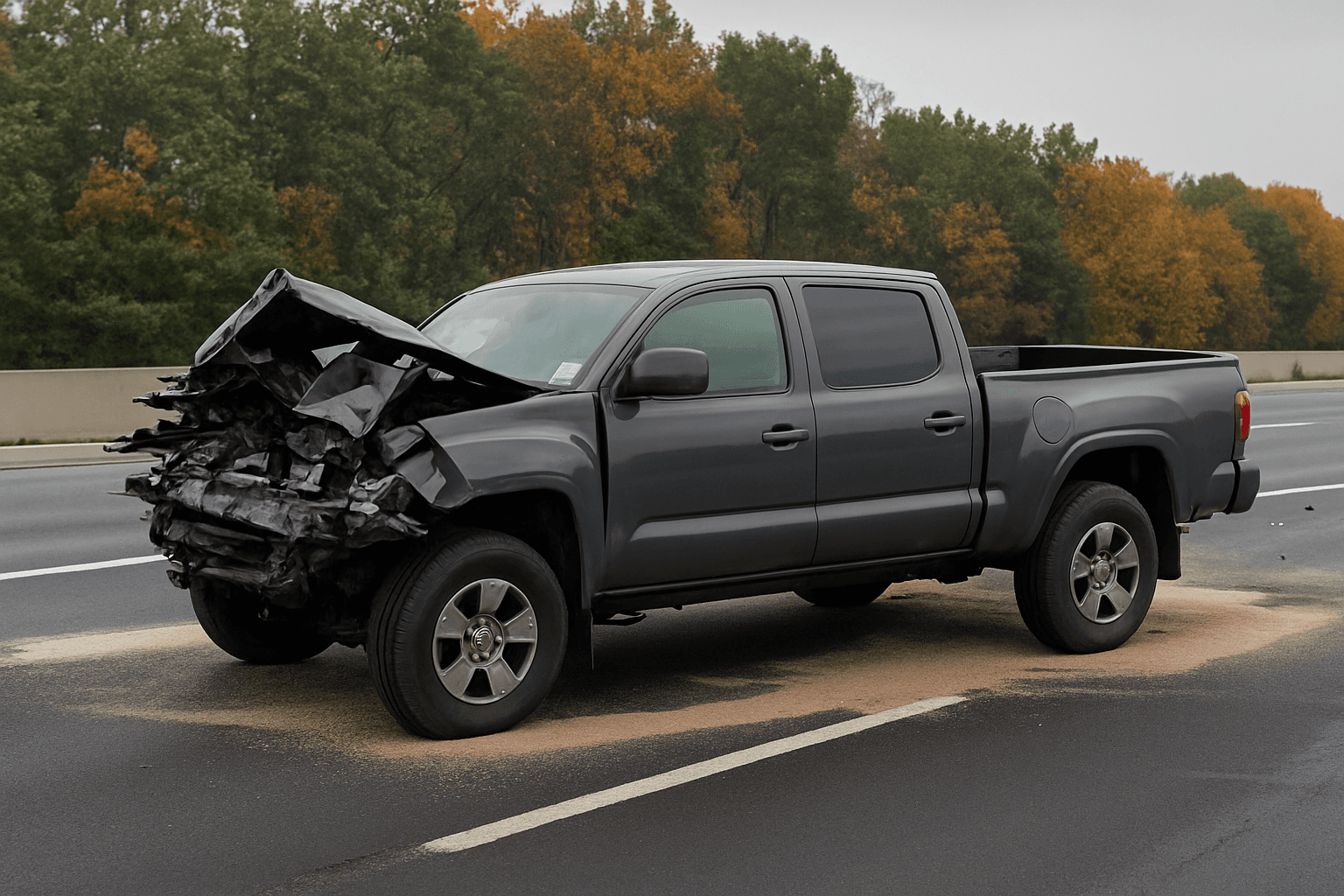
At-fault accidents with property damage under $2,000 and no injuries keep you in the broadest carrier pool. Most standard and non-standard carriers will quote you, and you'll see a range that lets you compare tier pricing directly. The accident surcharge applies, but the SR-22 requirement alone doesn't disqualify you from lower-priced options if you had coverage when the accident occurred.
Accidents involving bodily injury, hit-and-run designation, or uninsured operation narrow your options significantly. Standard carriers typically decline, and even some non-standard carriers require a waiting period before they'll write new policies. GEICO, Progressive, and State Farm write SR-22 in Idaho but will often decline injury-involved accidents or quote premiums that make non-standard carriers the more affordable path. This is where comparison becomes critical: a $40/month difference across 36 months is $1,440 in total cost.
DUI accidents occupy their own category. If your accident occurred during a DUI arrest, Idaho courts impose SR-22 as part of sentencing, and carriers price both the DUI and the accident as separate risk factors. You're limited almost entirely to non-standard carriers, and ignition interlock device requirements add verification complexity to the SR-22 filing process. The General, Dairyland, and Bristol West all write DUI-accident SR-22 policies in Idaho, but expect quotes at the upper end of non-standard pricing.
Idaho License Reinstatement Fee
$25
Idaho charges a $25 base reinstatement fee after most accident-related suspensions. This fee is separate from any court fines, victim restitution, or unsatisfied judgment amounts you must pay before the ITD will process your reinstatement. You'll pay the $25 directly to the Idaho Transportation Department when you submit your SR-22 proof of insurance and reinstatement application.
Idaho Transportation Department reinstatement fee schedule
Comparing Quotes When You're Required to File SR-22
Request quotes from at least three carriers in different tiers: one standard carrier that writes SR-22 (State Farm, GEICO), and two non-standard carriers (The General, Dairyland, Bristol West). This mix shows you the price difference between tier models and whether your accident qualifies for standard-tier pricing at all. Some standard carriers will decline outright; others will quote but price you higher than non-standard options. You won't know until you request quotes from both tiers.
Ask each carrier how they price the accident surcharge duration and whether it runs concurrently with or separately from the 3-year SR-22 requirement. Some carriers apply a 3-year accident surcharge that ends when your SR-22 period ends; others apply a 5-year surcharge that continues beyond your filing obligation. This affects your total cost over the SR-22 period and what your premium drops to once filing ends. The carrier quoting the lowest monthly rate today may cost more over the full 36 months if their surcharge lasts longer.
Get Coverage That Meets Idaho's Filing Requirement
Idaho requires SR-22 filing with liability coverage at state minimums: $25,000 per person for bodily injury, $50,000 per accident for bodily injury, and $15,000 for property damage. You can't file SR-22 without active liability coverage, and you can't maintain your license without continuous SR-22 filing for the full 3-year period. The carriers listed on this site write SR-22 policies in Idaho and can file electronically with the ITD within 1–3 business days of binding coverage. Compare quotes now to find the carrier that prices your accident history at the lowest monthly rate you can sustain for 36 months without another lapse.