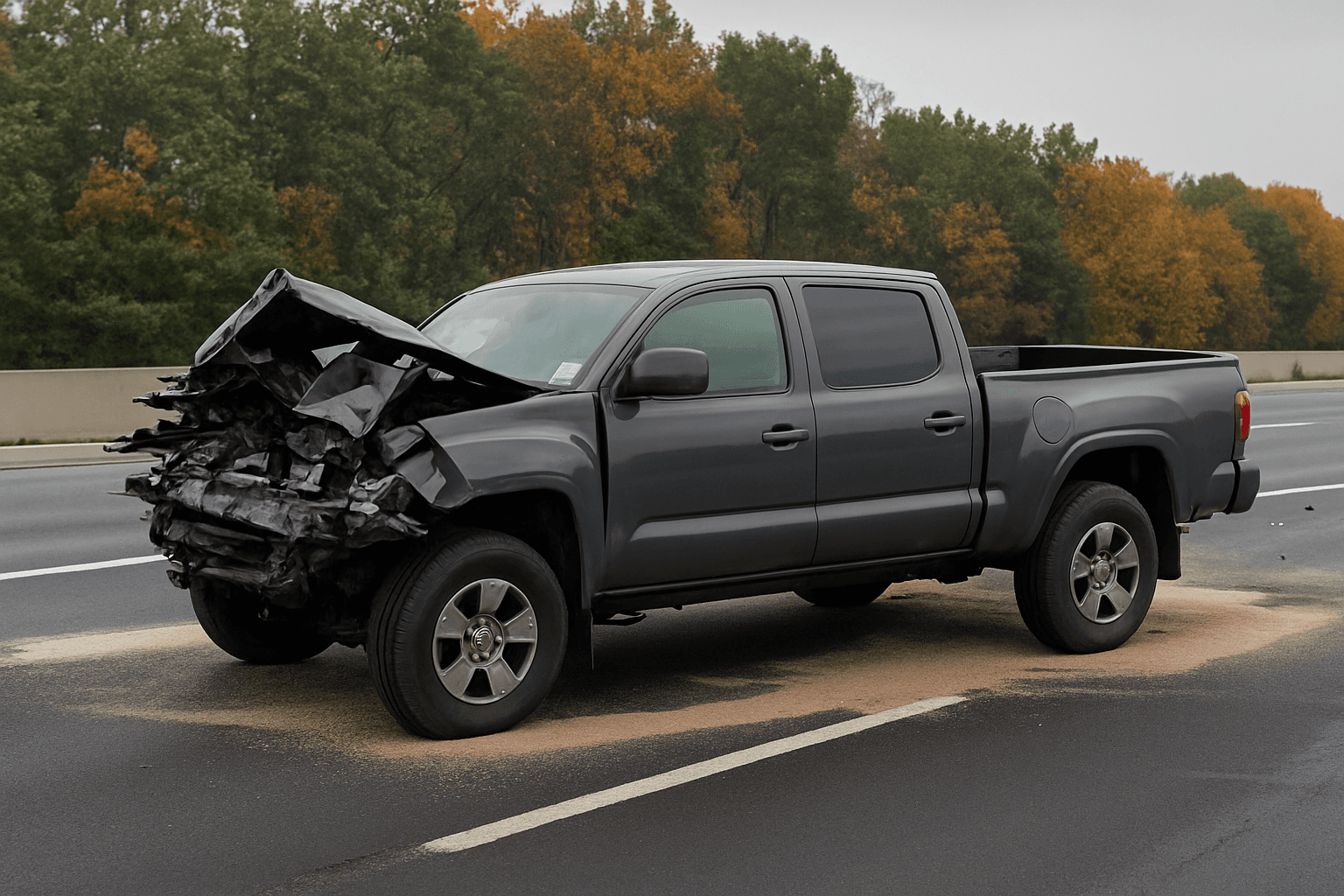
When Idaho Accident Reports Trigger SR-22 Filing
You were in an accident. No DUI, no reckless driving charge, no points suspension — just an at-fault crash that damaged property or injured someone. Two weeks later, the Idaho Transportation Department sent a letter requiring SR-22 proof of insurance. The confusion is structural: Idaho's SR-22 mandate after accidents operates independently of traffic citations. The DMV evaluates fault and damage amounts from crash reports filed under Idaho Code § 49-1303, and when property damage exceeds $1,500 or any injury occurred, the state requires continuous proof of liability coverage for three years.
The filing requirement exists whether or not you received a ticket at the scene. Idaho separates its financial responsibility enforcement from criminal traffic proceedings — the ITD's authority to mandate SR-22 comes from proving you can cover future claims, not punishing past violations. Most drivers learn this from the reinstatement notice, not from the officer who responded to the crash.
Compare car insurance rates in your state
Get quotes from licensed carriers — no obligation, no spam, results in minutes.
Get Your Free QuoteIdaho Accident Report Threshold
$1,500
Idaho Code § 49-1303 requires a written crash report when property damage reaches or exceeds $1,500, or when any person is injured or killed. Once filed, the ITD reviews the report for financial responsibility compliance — if you were uninsured or underinsured at the time of the crash, SR-22 filing becomes mandatory.
Idaho Code Title 49, Chapter 13
Idaho's Financial Responsibility Filing System
Idaho enforces financial responsibility through its Motor Vehicle Safety Responsibility Act (Idaho Code § 49-1401 et seq.). When an accident report shows you caused damage above the reporting threshold, the ITD sends a notice requiring you to prove you carried liability coverage meeting state minimums at the time of the crash — $25,000 bodily injury per person, $50,000 per accident, and $15,000 property damage. If you cannot provide that proof, your license and registration are suspended until you file SR-22 and maintain it for three years.
The three-year clock starts from the date the ITD issues the SR-22 requirement, not the accident date. If your coverage lapsed before the crash or your policy limits were below state minimums, SR-22 filing becomes the mechanism Idaho uses to track continuous compliance going forward. The state requires your insurer to notify the ITD immediately if your policy cancels or lapses during the filing period — any gap triggers automatic re-suspension.
SR-22 itself is not insurance. It is a certification your carrier files electronically with Idaho's Division of Motor Vehicles confirming you hold an active liability policy meeting or exceeding state minimums. Carriers charge a one-time filing fee, set by the carrier and ranging typically from $15 to $50, plus any premium adjustment for moving you into a non-standard risk tier.
If you did not own the vehicle involved in the crash and do not plan to own one, non-owner SR-22 satisfies Idaho's filing mandate without requiring you to insure a car you do not drive.
Which Idaho Carriers Write Post-Accident SR-22
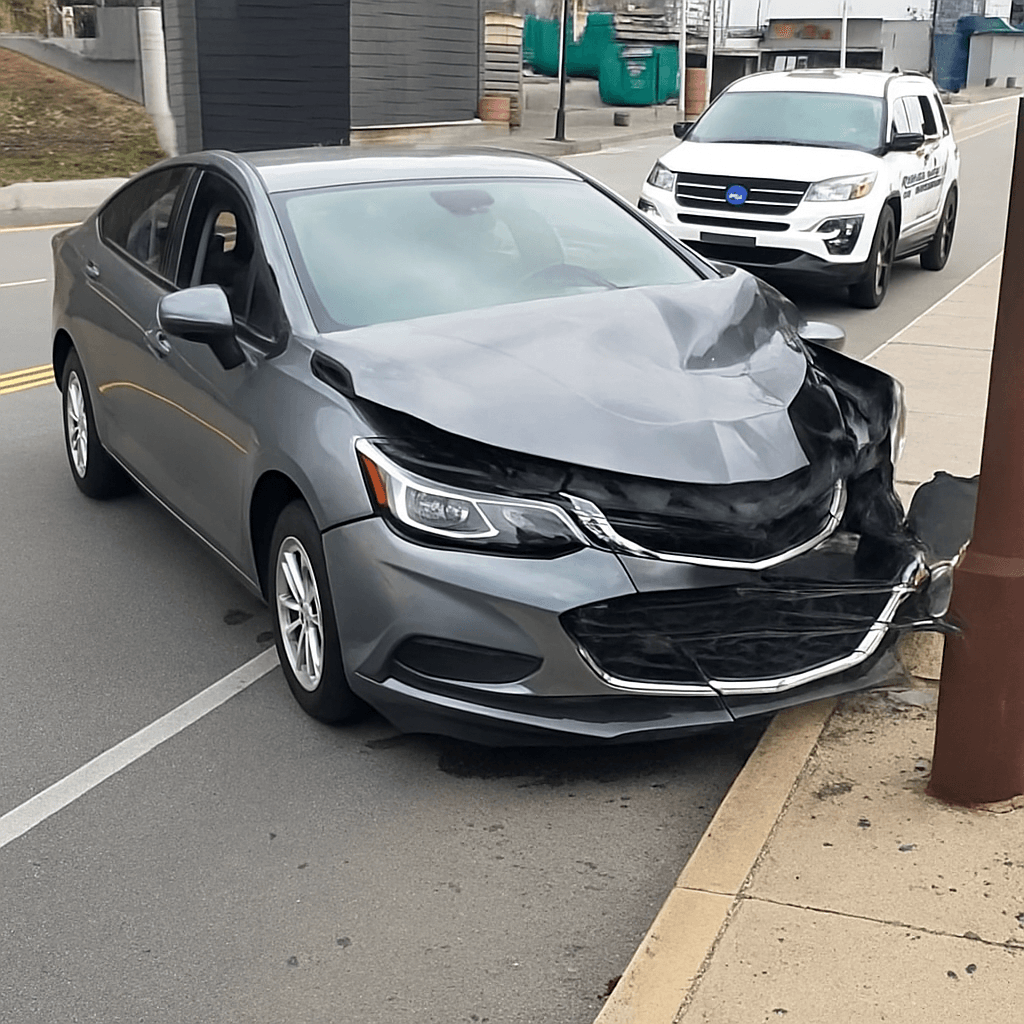
Progressive, Geico, and State Farm write SR-22 policies for Idaho drivers post-accident and file electronically with the ITD. Progressive and Geico offer online quotes; State Farm requires agent contact. All three write both standard auto policies with SR-22 endorsement and non-owner SR-22 policies for drivers without a vehicle. Premium increases vary by the total claim amount from the accident and your prior driving history — expect quotes 25% to 60% above clean-record rates in the standard tier.
Dairyland, Bristol West, GAINSCO, The General, and National General specialize in non-standard auto insurance and actively write SR-22 coverage in Idaho. These carriers expect applicants with recent accidents, suspensions, or filing requirements and price accordingly. Dairyland and GAINSCO both offer non-owner SR-22 policies with same-day electronic filing to the ITD. Quotes from non-standard carriers often come in lower than standard-tier post-accident quotes because the risk pool assumes recent violations.
Related Articles






How Idaho's SR-22 Period Works After an Accident
Idaho requires continuous SR-22 filing for three years from the date the ITD issues the filing mandate. The period does not reduce if you maintain a clean record — it runs its full term regardless. If your policy cancels, lapses, or is replaced by a carrier that does not file SR-22, the ITD receives electronic notification within 24 hours and suspends your license and registration immediately. Reinstatement after a lapse-triggered suspension requires paying Idaho's $25 reinstatement fee, filing new SR-22 proof, and restarting the three-year clock from the date of reinstatement.
Switching carriers during the SR-22 period is allowed, but the new carrier must file SR-22 before your current policy ends. Any gap — even one day — triggers suspension. Coordinate the timing with both insurers to ensure overlapping SR-22 filings reach the ITD without interruption. Idaho's electronic verification system does not provide grace periods for administrative delays.
Once three years pass without lapses, your carrier files an SR-26 form with the ITD confirming the obligation is satisfied. Your license and registration return to standard status. The SR-22 requirement does not appear on your driving record after completion, but the underlying accident remains visible to insurers for three to five years depending on the carrier's underwriting lookback period.
Idaho SR-22 Filing Duration
3 years
Idaho Code § 49-1303 establishes the three-year continuous filing period for drivers who trigger financial responsibility requirements. The clock restarts from zero if any coverage lapse occurs during the period, making uninterrupted policy maintenance the only path to completing the obligation on schedule.
Idaho Code Title 49, Chapter 13
Non-Owner SR-22 for Idaho Drivers Without a Vehicle
If you do not own a vehicle and do not plan to own one during your SR-22 period, non-owner SR-22 policies satisfy Idaho's filing requirement at significantly lower premiums than standard auto policies. A non-owner policy provides liability coverage when you drive a borrowed or rented vehicle but does not cover a vehicle you own, lease, or regularly use. Idaho accepts non-owner SR-22 filings for financial responsibility obligations as long as the policy meets state liability minimums.
Premiums for non-owner SR-22 in Idaho typically range from $30 to $70 per month depending on the accident claim amount and your prior driving history. Dairyland, GAINSCO, Progressive, and Geico all write non-owner SR-22 policies in Idaho with same-day electronic filing to the ITD. If you later purchase a vehicle during the SR-22 period, you must switch to a standard auto policy with SR-22 endorsement before driving the newly owned vehicle — non-owner policies exclude coverage for owned vehicles by definition.
Compare Idaho SR-22 Carriers and File Today
Request quotes from at least three carriers writing post-accident SR-22 in Idaho — premium variance between standard and non-standard tiers often exceeds 40% for identical coverage limits. Progressive, Geico, Dairyland, and GAINSCO all provide online quotes and same-day SR-22 filing to the ITD once you bind coverage. Verify the carrier files electronically with Idaho's Division of Motor Vehicles before you purchase — paper filings delay processing and leave you exposed to suspension during the gap. Enter your accident details and current license status accurately when quoting to avoid repricing or coverage denial after binding.