Idaho Breathalyzer Refusal Creates Two Separate Suspensions
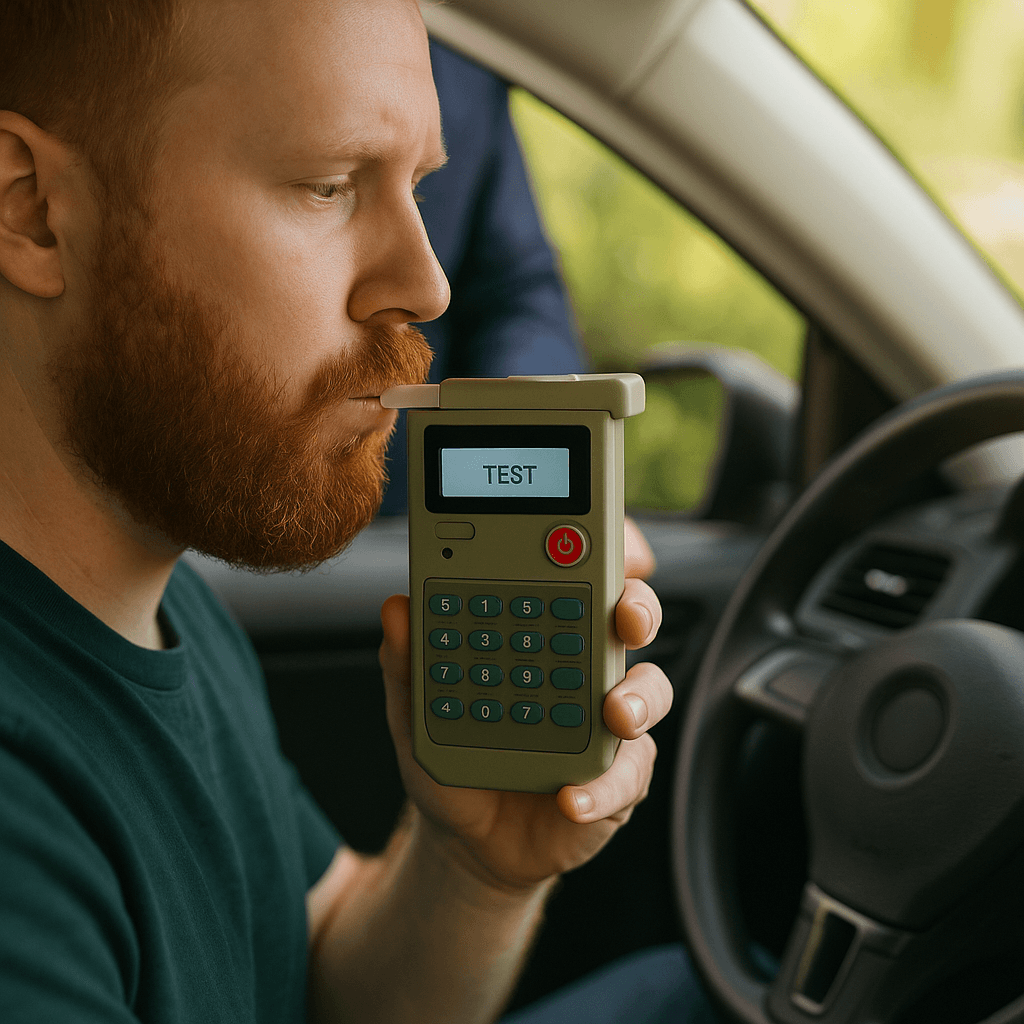
You refused the breathalyzer test at the stop, and the Idaho Transportation Department mailed you an Administrative License Suspension notice the following week. The suspension is effective immediately: one year from the date of refusal under Idaho Code § 18-8002A, regardless of whether criminal DUI charges follow. This administrative suspension runs separately from any court-imposed suspension that may follow a DUI conviction.
Most drivers assume the refusal and the DUI case are the same process. They are not. Idaho maintains two parallel tracks: the Idaho Transportation Department handles the administrative suspension triggered by your refusal, while the district court handles the criminal DUI charge if prosecutors filed one. Each track carries its own suspension period, its own reinstatement requirements, and its own SR-22 filing obligation. The two systems do not talk to each other in real time, which means you can face overlapping suspension periods if you do not address both tracks correctly.
Compare car insurance rates in your state
Get quotes from licensed carriers — no obligation, no spam, results in minutes.
Get Your Free QuoteIdaho Refusal Suspension Period
1 year
Idaho Code § 18-8002A imposes a mandatory one-year administrative suspension for breathalyzer refusal on a first offense. A failed BAC test (.08 or higher) carries only a 90-day suspension, making refusal the costlier outcome from an administrative perspective.
Idaho Code § 18-8002A
SR-22 Filing Requirement Attaches Immediately
Idaho requires SR-22 proof-of-insurance filing for reinstatement following an Administrative License Suspension, whether the suspension originated from refusal or from a failed BAC test. The SR-22 filing period is three years, measured from the date the Idaho Transportation Department receives the filing — not from the date of the refusal or the date of conviction.
You cannot reinstate your license at the end of the suspension period without an active SR-22 on file. The ITD will not process your reinstatement application until a carrier has filed the SR-22 certificate electronically with the state. Many drivers wait until the suspension period expires to secure coverage, which only extends the period they remain unable to drive legally. Securing SR-22 coverage during the suspension allows you to satisfy the filing requirement concurrently, so reinstatement becomes possible the day your suspension period ends.
The SR-22 itself is not insurance: it is a certificate your carrier files with the Idaho Transportation Department confirming you carry at least the state's minimum liability limits ($25,000 bodily injury per person, $50,000 per accident, $15,000 property damage). If your policy lapses or cancels during the three-year SR-22 period, the carrier notifies the ITD electronically within 24 hours, and the state re-suspends your license immediately.
Idaho's one-year refusal suspension includes a mandatory 30-day absolute suspension period before restricted driving privileges become available. You cannot drive at all during those first 30 days, even with SR-22 coverage in place.
Restricted License Becomes Available After 30 Days
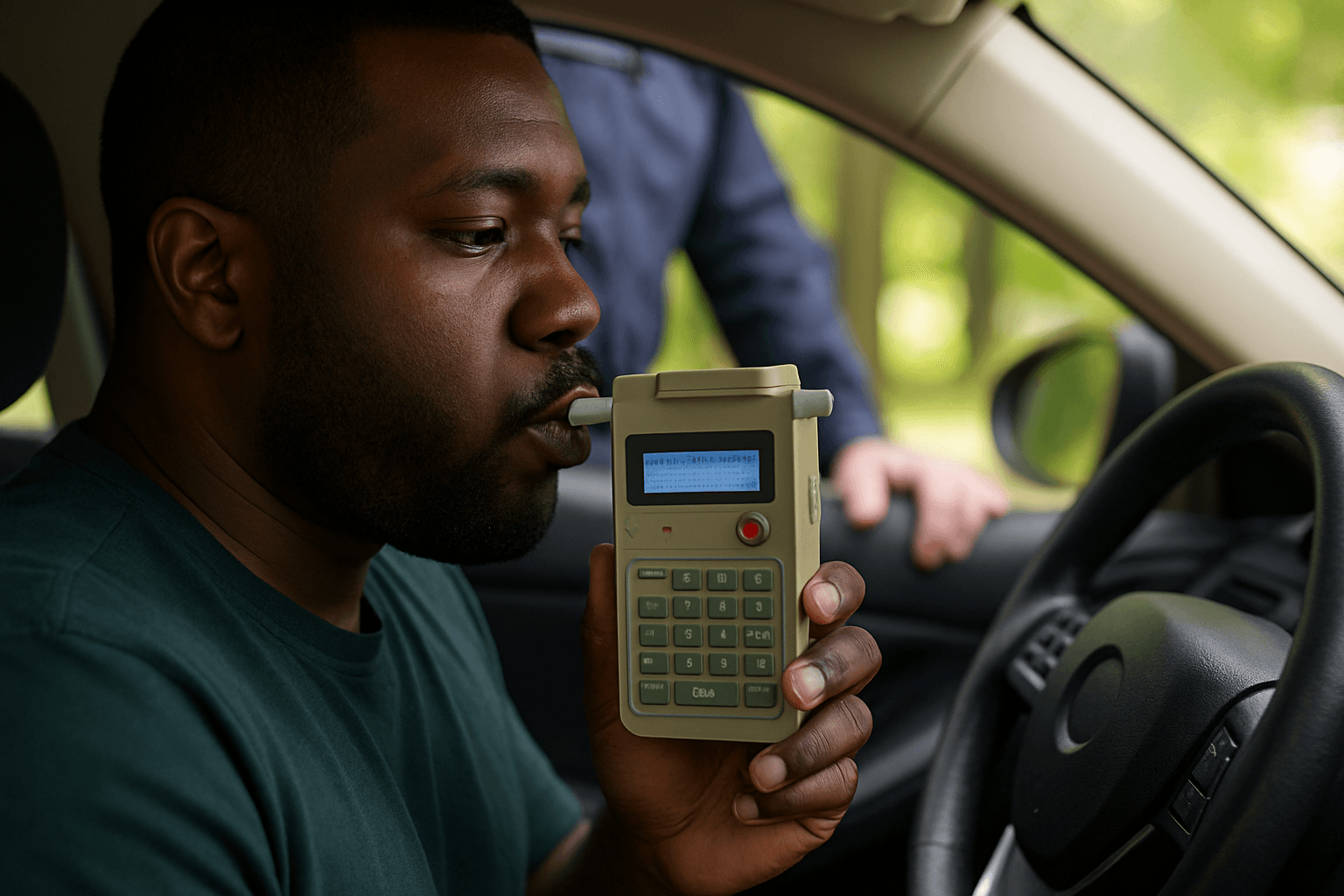
To apply for a restricted license, you file a petition with the district court in the county where the refusal occurred. The court, not the Idaho Transportation Department, has sole authority to grant or deny restricted driving permits. You must provide proof of hardship (employment records showing work schedule and location, medical documentation if needed for healthcare access, or proof of childcare responsibilities), proof of SR-22 insurance filing, and any other documentation the court requires. Idaho courts have broad discretion over restricted license conditions — there is no standardized statewide template for what qualifies as sufficient hardship or what restrictions the court will impose.
If the court grants the restricted license, you will be required to install an ignition interlock device (IID) on any vehicle you operate. The IID requirement applies for the entire restricted license period and runs concurrent with or following the suspension period depending on whether a DUI conviction follows. The IID vendor bills separately for installation, monthly monitoring fees, and calibration appointments. The court sets the specific hours and days you may drive, the routes you may use, and the purposes approved (typically limited to work, school, medical appointments, and court-ordered obligations). Violating any restriction — driving outside approved hours, driving for unapproved purposes, or attempting to bypass the IID — results in immediate revocation of the restricted license and possible criminal charges for driving under suspension.
Related Articles




Non-Standard Carriers Write Breathalyzer Refusal Cases
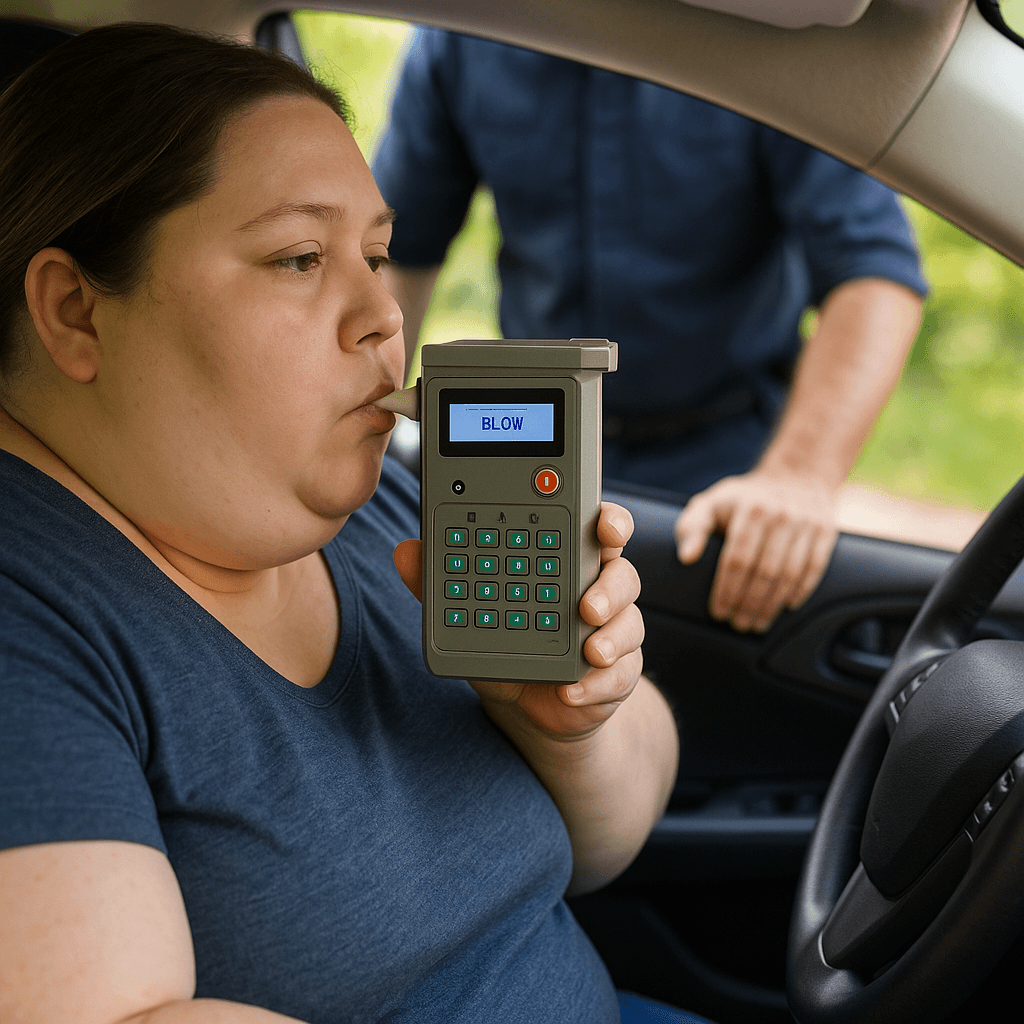
Standard-tier carriers (State Farm, Allstate, American Family) typically decline to write new policies for drivers with active Administrative License Suspension events on their motor vehicle record. Breathalyzer refusal appears on your Idaho driving record as an administrative violation, which standard underwriters treat identically to a DUI conviction for rating purposes. You will need a non-standard or high-risk carrier willing to write SR-22 policies for suspended drivers.
Non-standard carriers operating in Idaho that file SR-22 certificates include Bristol West, Dairyland, GAINSCO, The General, Progressive, Geico, and National General. Not all write restricted-license cases — some require reinstatement before they will bind coverage. Call each carrier directly and specify that you need SR-22 coverage during an active Administrative License Suspension for breathalyzer refusal and that you intend to apply for a restricted license once the 30-day hard period expires.
Premium costs vary significantly by carrier, age, county, vehicle type, and whether you already own a vehicle. If you do not currently own a vehicle and need SR-22 only to satisfy the reinstatement requirement, request a non-owner SR-22 policy. Non-owner policies provide liability coverage when you drive a vehicle you do not own (borrowed cars, rental cars, or a vehicle provided by an employer) and cost substantially less than standard owner policies because the carrier assumes no collision or comprehensive risk. The SR-22 filing itself is identical whether attached to an owner or non-owner policy.
Idaho Reinstatement Fee
$25
Idaho charges a $25 base reinstatement fee for most suspension types. DUI-related suspensions may carry additional fees above the base amount under Idaho Code § 49-326, but the specific DUI fee should be verified directly with the Idaho Transportation Department before you budget for reinstatement.
Idaho Code § 49-326
Criminal DUI Case Adds a Second Suspension Layer
If prosecutors filed DUI charges following your refusal, the criminal case proceeds independently of the administrative suspension. A DUI conviction in Idaho district court triggers a separate judicial suspension: minimum 90 days for a first offense under Idaho Code § 18-8005, running from the date of conviction. The court may impose the judicial suspension consecutively to the administrative suspension or may allow them to run concurrently — this varies by judge and county.
The judicial suspension carries its own SR-22 requirement and its own reinstatement process. If the court grants a restricted license as part of the DUI sentence, that restricted license replaces any administratively granted restricted license, and the ignition interlock requirement extends for the full period specified in the court order. Most DUI convictions in Idaho require ignition interlock for at least one year, and second or subsequent offenses require longer IID periods. The three-year SR-22 filing period applies to whichever suspension resolves last, which means refusing the breathalyzer and then getting convicted of DUI can extend your total SR-22 obligation beyond three years if the conviction date falls well after the refusal date.
Compare Carriers Before You Commit to Coverage
Request quotes from at least three non-standard carriers that write SR-22 policies in Idaho. Premium differences between carriers writing the same risk profile can exceed 40 percent, and the cheapest carrier for one suspended driver is often not the cheapest for another due to differences in how each underwriter weights age, violation type, and county of residence. Specify your exact situation when you request quotes: breathalyzer refusal under Administrative License Suspension, active one-year suspension with 30-day hard period expired or approaching expiration, intention to apply for restricted license with ignition interlock, and whether you own a vehicle or need non-owner coverage.
Once you select a carrier and bind coverage, the carrier files the SR-22 certificate with the Idaho Transportation Department electronically, typically within 24 to 48 hours. Verify that the ITD has received and processed the filing before you petition the court for a restricted license — the court will require proof that SR-22 is active and on file with the state. After your suspension period expires and you satisfy all reinstatement requirements (payment of reinstatement fee, completion of any required substance abuse evaluation or treatment programs, proof of SR-22 filing), you may apply for full license reinstatement. The SR-22 filing requirement continues for three years from the date of filing, even after your license is reinstated, and you must maintain continuous coverage without lapse during that entire period.