The Catch-22 After an Uninsured At-Fault Accident
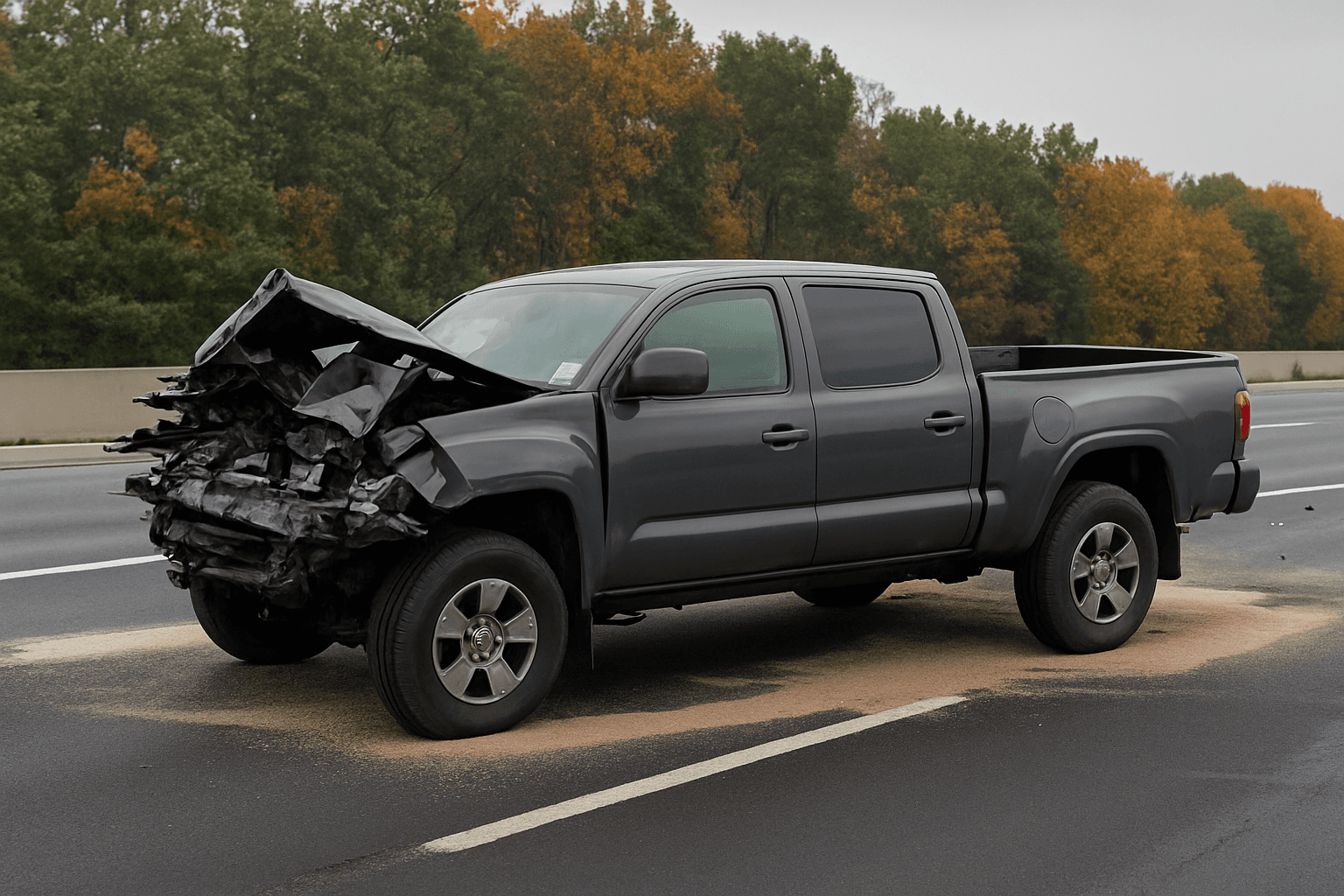
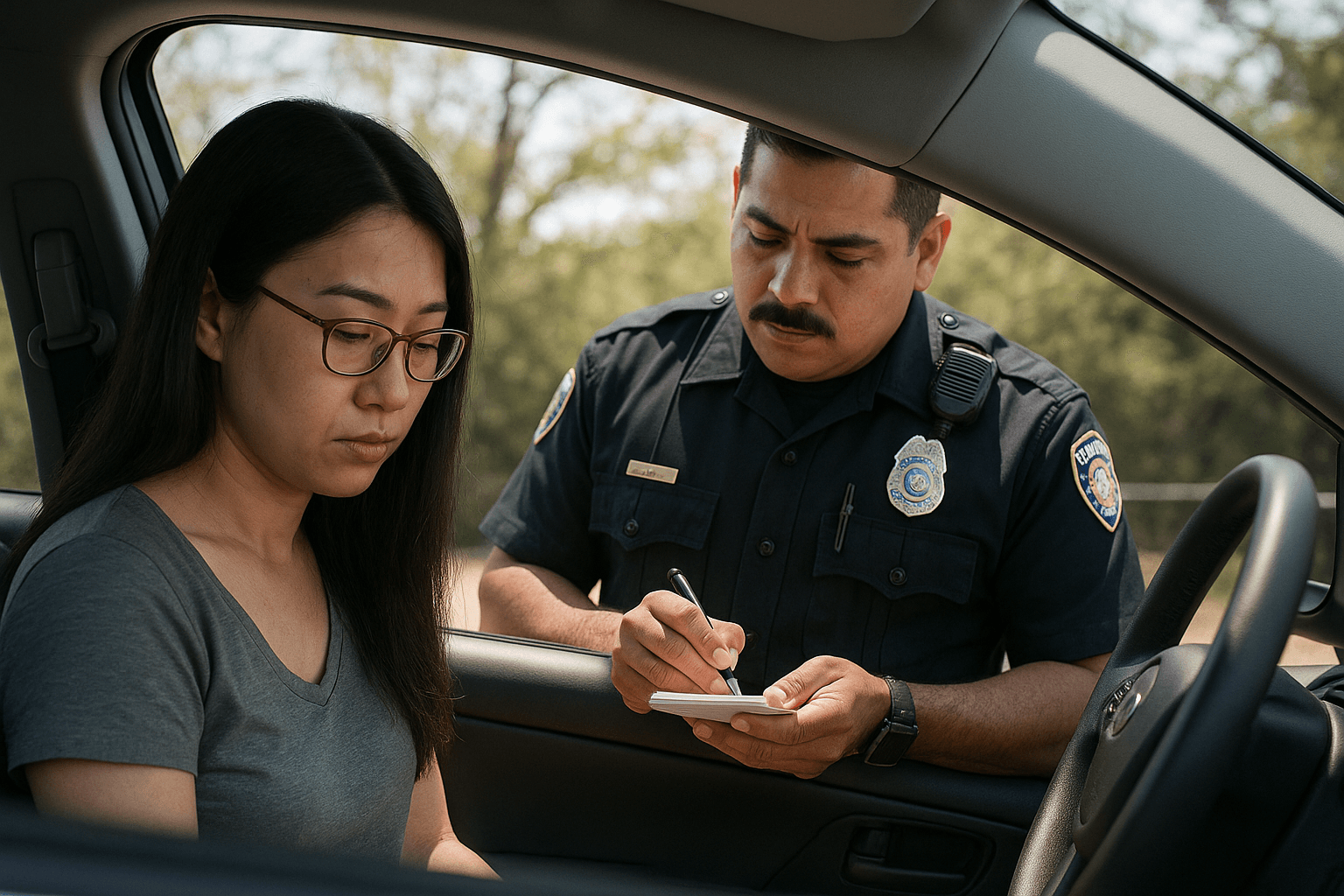
You caused an accident without insurance. Idaho suspended your driving privileges within days of the crash. The Idaho Transportation Department (ITD) sent a reinstatement letter stating you must provide proof of financial responsibility — an SR-22 filing — before your license can be restored. You call carriers for quotes, and every one asks if your license is currently valid. When you say no, they refuse to quote. But ITD won't lift the suspension until you file SR-22. You are trapped in a structural loop where each requirement blocks the other.
This situation is not rare in Idaho. The state's uninsured motorist rate runs higher than the national average, and ITD's electronic insurance verification system (Idaho Insurance Verification System, IIVS) flags crashes involving uninsured drivers immediately. The suspension is administrative, imposed by ITD under Idaho Code § 49-1232 without a court hearing. The path forward exists, but it requires understanding how non-owner SR-22 policies break the loop by satisfying the filing requirement before you can legally drive again.
Compare car insurance rates in your state
Get quotes from licensed carriers — no obligation, no spam, results in minutes.
Get Your Free QuoteIdaho Reinstatement Fee
$25
This is the base administrative fee ITD charges to lift the suspension after you satisfy all conditions, including continuous SR-22 filing for the required period. The fee does not cover the SR-22 filing itself or the liability policy premium — those are separate carrier charges.
Idaho Transportation Department Driver Services, Idaho Code Title 49
What Idaho Actually Requires After This Violation
Idaho Code § 49-1229 mandates proof of financial responsibility for three years following any accident where the driver was uninsured and damages exceeded $1,500 or injury occurred. The SR-22 is not insurance — it is a certificate your carrier files electronically with ITD certifying that you maintain liability coverage meeting Idaho's minimum limits: $25,000 per person for bodily injury, $50,000 per accident for bodily injury, and $15,000 for property damage. The filing must remain active continuously for one year from the date ITD accepts it, not from the date of the accident.
Many suspended drivers believe they must own a vehicle to buy insurance or file SR-22. Idaho law does not require vehicle ownership to satisfy the SR-22 requirement. Non-owner SR-22 policies exist specifically for drivers in your position: suspended, without a vehicle, needing proof of financial responsibility to begin the reinstatement process. The policy provides liability coverage when you drive a borrowed or rental vehicle, and the carrier files the SR-22 electronically with ITD the same day you purchase coverage.
The structural confusion stems from how most auto insurance works. Standard policies insure a vehicle and list drivers. Non-owner policies insure a driver and follow them across any vehicle they operate with the owner's permission. For reinstatement purposes, ITD does not care which type you carry — the SR-22 filing satisfies the requirement either way.
Idaho will not lift your suspension until the SR-22 filing is active with ITD, and most carriers will not write standard policies for suspended drivers — non-owner SR-22 is the specific product that breaks the loop.
How Non-Owner SR-22 Restarts the Clock
You do not need a valid license to purchase a non-owner policy in Idaho. Carriers writing non-owner SR-22 in this state — including Progressive, GEICO, Dairyland, Bristol West, GAINSCO, The General, and National General — will quote suspended drivers. The quote process requires your driver's license number, the suspension reason, and confirmation that you do not own a vehicle titled in your name. Monthly premiums for non-owner SR-22 after an at-fault uninsured accident typically run $60 to $110 depending on age, county, and the specific carrier's underwriting tier for this violation type.
Once the policy is active and the SR-22 is filed, you must maintain the coverage without any lapse for the full one-year period Idaho requires. If the policy cancels for non-payment or you let it lapse, the carrier notifies ITD electronically within 24 hours, and ITD re-suspends your license immediately. The one-year clock resets from zero. After the SR-22 has been continuously active for one year and you have satisfied all other reinstatement conditions — paid the $25 fee, completed any required driver improvement courses, resolved outstanding tickets — ITD will lift the suspension and restore your full driving privileges.
Related Articles



Timing the Reinstatement Process
Idaho does not impose a hard suspension period for uninsured at-fault accidents before allowing reinstatement. The suspension remains in effect until you satisfy the proof of financial responsibility requirement. This means you can begin the reinstatement process the same day ITD suspends your license if you purchase non-owner SR-22 coverage immediately. The SR-22 filing does not lift the suspension instantly — ITD processes the filing, updates your record, and issues a notice confirming eligibility to reinstate, which typically takes three to five business days after the SR-22 posts to your driver record.
Some drivers wait weeks or months before addressing the suspension, assuming they must serve a minimum suspension term. There is no minimum for this violation type. The suspension lifts once proof is filed and ITD confirms continuous coverage. Delaying only extends the period you cannot drive legally. If you need to drive for work, medical appointments, or family obligations during the suspension, Idaho offers a restricted license (sometimes called a hardship license) available through court petition. However, the restricted license still requires an active SR-22 filing — it does not bypass the insurance requirement.
The one-year SR-22 period runs concurrently with your return to driving. You are not waiting one year to drive again. You file SR-22, ITD lifts the suspension within days, and you drive legally while maintaining the SR-22 for the required period. The restriction is on canceling the coverage, not on operating a vehicle.
Idaho SR-22 Filing Duration
1 year
Idaho requires continuous SR-22 filing for one year following an uninsured at-fault accident. The period begins the day ITD accepts the filing, not the accident date. Any lapse resets the clock to day zero and re-imposes the suspension immediately.
Idaho Code § 49-1229
What Happens If You Own a Vehicle Later
Many drivers purchase non-owner SR-22 to satisfy reinstatement, then later buy or inherit a vehicle. When you title a vehicle in your name while carrying non-owner coverage, the non-owner policy does not automatically extend to cover that vehicle. You must contact your carrier and convert the non-owner policy to a standard owner policy listing the vehicle, or purchase a separate standard policy. The SR-22 filing must transfer seamlessly — any gap between policies triggers an automatic suspension.
If you already own a vehicle at the time of suspension, non-owner SR-22 is not the correct product. ITD expects proof of financial responsibility for the vehicle you own. Standard SR-22 policies insure your titled vehicle and file the required certificate. Non-owner SR-22 is specifically for drivers without vehicle ownership. Misrepresenting your ownership status to a carrier — claiming you do not own a vehicle when you do — voids the policy and invalidates the SR-22 filing, leaving you uninsured and facing a new suspension for fraudulent filing.
Compare Carriers Writing This Coverage in Idaho
Non-owner SR-22 premiums vary significantly across carriers because underwriting models treat at-fault uninsured accidents differently. Progressive, GEICO, and Dairyland write non-owner SR-22 statewide in Idaho and provide online quoting tools. Bristol West, GAINSCO, and The General require agent contact but often quote lower monthly premiums for drivers in non-standard tiers. National General writes non-owner SR-22 through independent agents and brokers. State Farm writes SR-22 in Idaho but does not offer non-owner policies — their SR-22 products require vehicle ownership.
Request quotes from at least three carriers. Monthly premium differences of $30 to $50 are common for identical coverage limits because each carrier prices this violation differently. The SR-22 filing fee — separate from the policy premium — ranges from $15 to $50 depending on the carrier. Some carriers assess the filing fee once at policy inception; others charge it annually at each renewal. Ask each carrier how they structure the filing fee before binding coverage. The cheapest monthly premium may not be the cheapest total cost over the one-year SR-22 period if the filing fee recurs.
Do not delay comparison to save a few dollars per month. Every day your license remains suspended is a day you cannot drive legally. Lock in coverage from the first carrier that provides acceptable pricing, file the SR-22 immediately, and begin the reinstatement clock. You can shop again at renewal if a better rate appears, but do not let the policy lapse during the transition — ITD's electronic monitoring system will catch the gap within hours and re-suspend your license before the new policy activates.